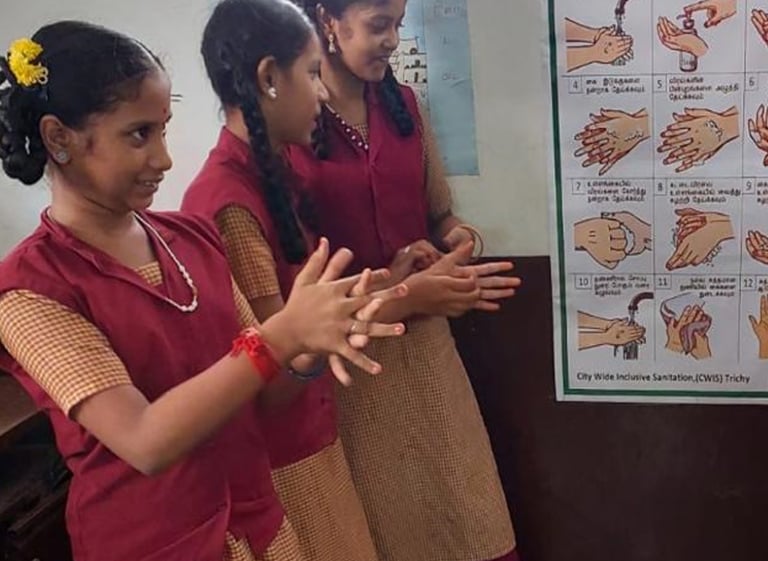
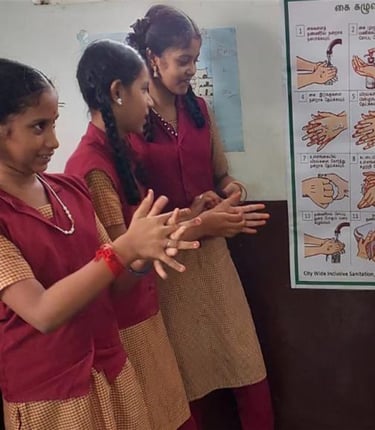
The Handwashing Awareness Campaign by Key Foundation promotes proper hygiene practices through interactive demonstrations and community engagement in schools and workplaces. By teaching correct handwashing techniques and critical hygiene moments, the initiative encourages behaviour change and disease prevention. It empowers children and sanitation workers to adopt and spread healthy habits, fostering cleaner and healthier communities
Community sanitation programs
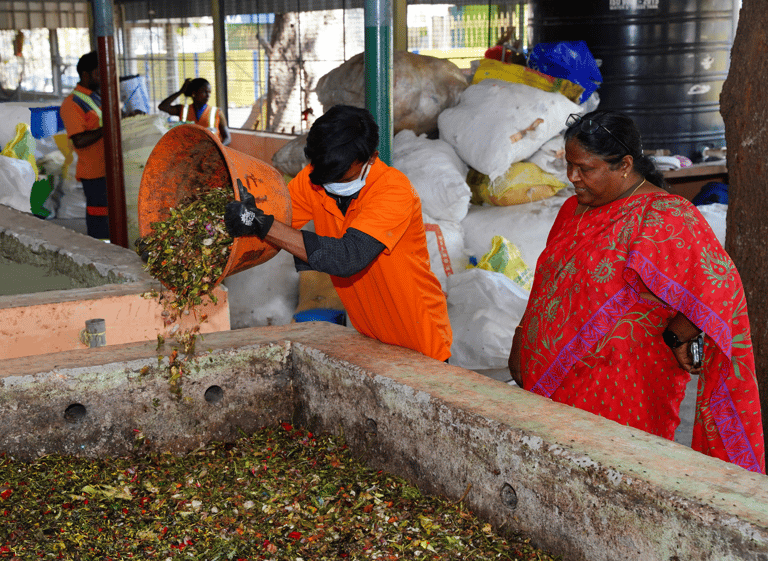
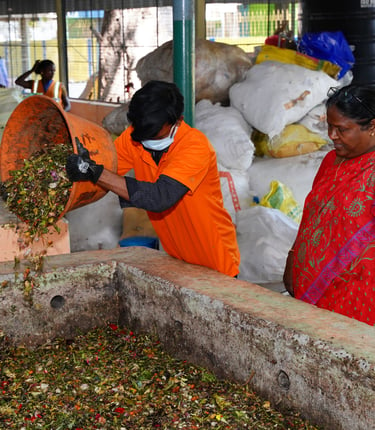
The initiative by Key Foundation supports the Tiruchirappalli City Corporation in improving the efficiency of Micro Compost Centres (MCCs) by developing model units for replication. Through staff deployment, operational strengthening, and capacity building of sanitation workers, the program promotes scientific composting and better waste management practices. This effort contributes to a cleaner, sustainable, and scalable urban waste management system.
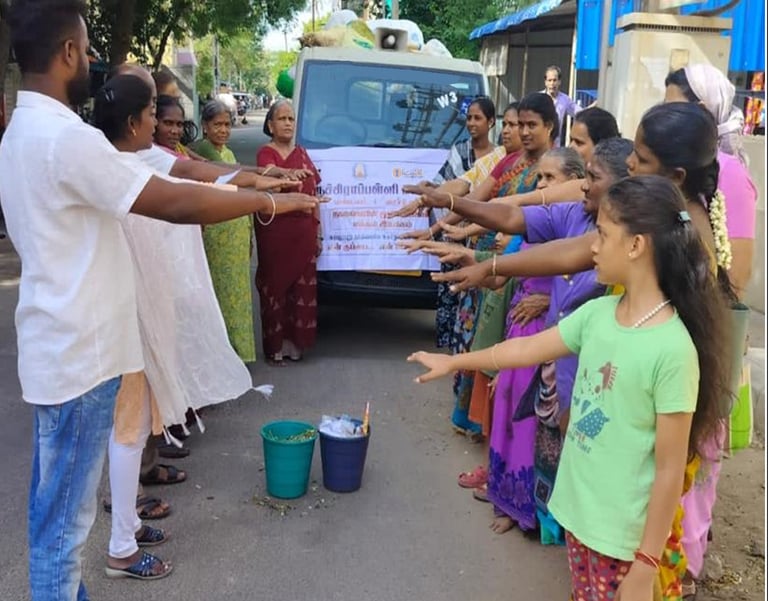
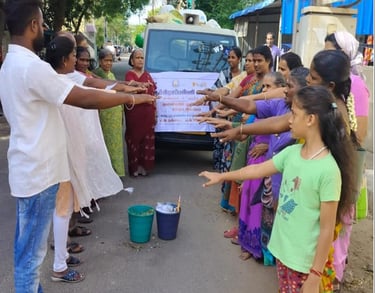
The Source Segregation Initiative by Key Foundation sensitizes communities to separate waste at the household level into biodegradable and non-biodegradable categories. Through interactive awareness sessions and community engagement, the program promotes behaviour change and collective responsibility. This initiative supports efficient waste management, reduced pollution, and cleaner, sustainable communities.
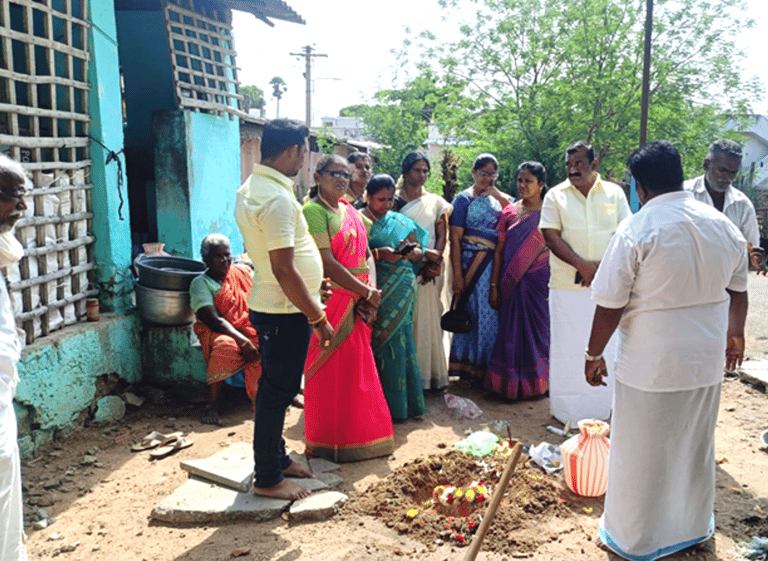
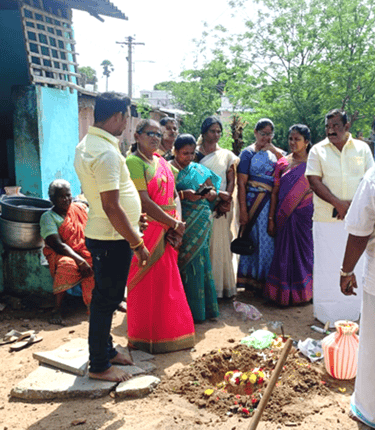
Key Foundation follows a sanitation ladder approach, supporting communities to transition from open defecation to community toilets (behavioural change) and eventually to individual household toilets (sustainable change). By engaging SHG women as caretakers, community toilets were better maintained, increasing usage and trust. Addressing gaps like nighttime access, the initiative further supports household toilet construction, ensuring dignity, safety, and round-the-clock sanitation access.
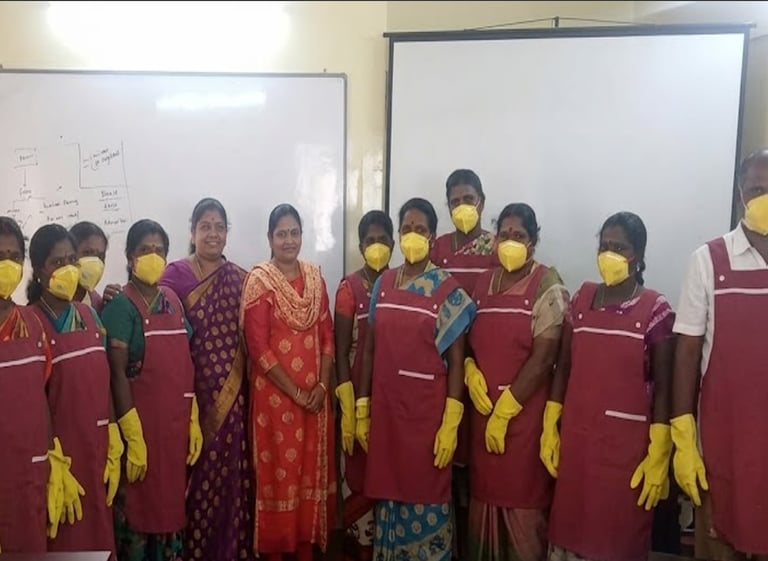
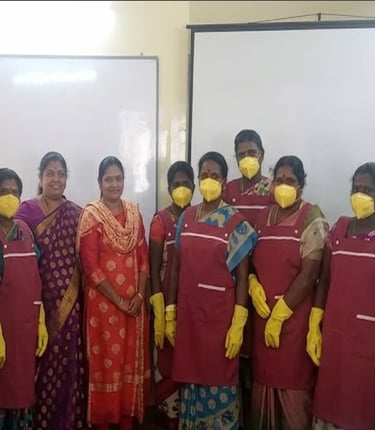
Key Foundation improves sanitation worker safety by identifying role-specific PPE and promoting its use through participatory training. This has led to increased awareness and gradual adoption of protective practices. While these are encouraging steps, there is still a long way to go to ensure safe and dignified working conditions for all sanitation workers.
Creating Smiles Entrepreneurship Promotion,
Entitlement Facilitation,
Environment Protection, Equity & Inclusion
Quick links
Address
5/240, Sathi Nagar, Vinayagapuram, Adavathur (East),
Tiruchirappalli – 620102,
Tamil Nadu.
Bank Details