Life Skills guidance for a Confident Future
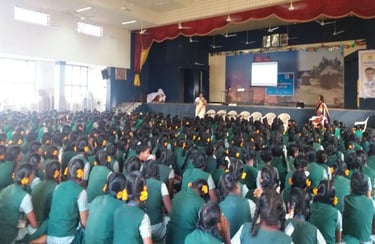
Key Foundation’s Life Skills Program equips students with essential abilities like communication, decision-making, and emotional resilience. Through interactive and participatory sessions, children develop confidence, critical thinking, and interpersonal skills. The initiative fosters holistic development, preparing young individuals to navigate life’s challenges and contribute positively to society.
EDUCATION
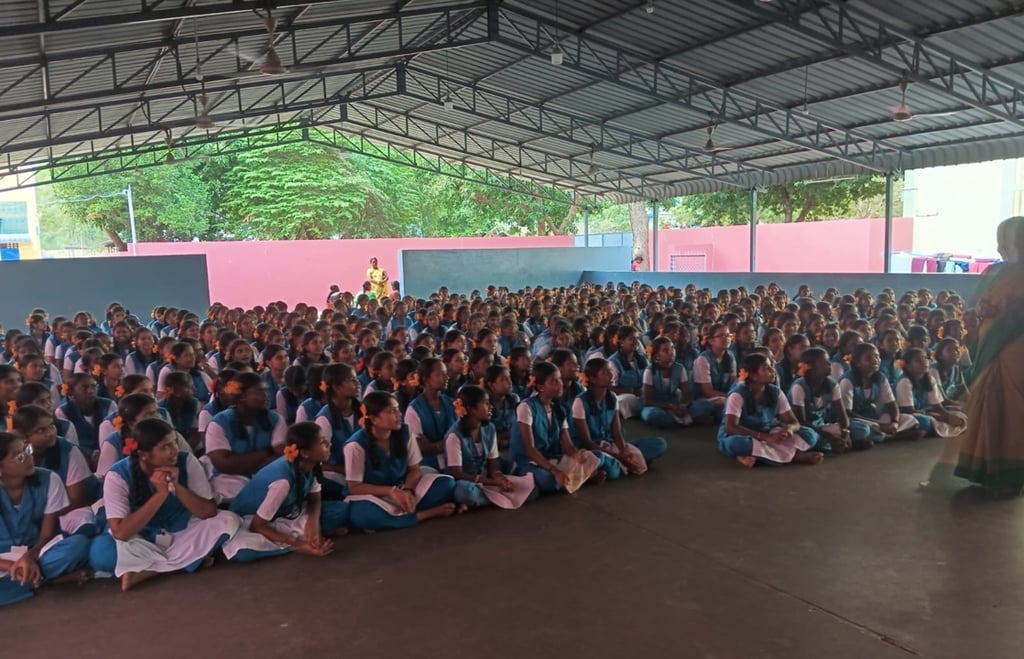
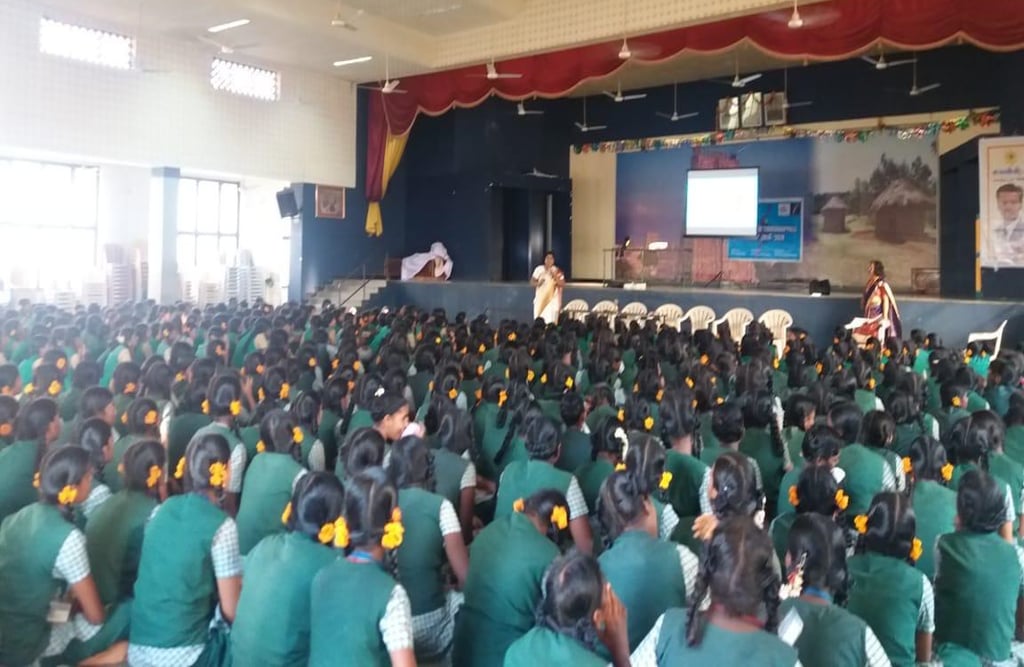
Key Foundation has been actively working towards improving the health and nutrition of children by conducting awareness sessions across schools and communities. Recognizing that a healthy childhood is the foundation for a bright future, the Foundation has made it a priority to educate children on the importance of balanced diets, hygiene practices, and healthy eating habits. Through interactive workshops, discussions, and visual presentations, the organization aims to instill lifelong habits that contribute to overall well-being.
The Foundation’s school-based health and nutrition awareness programs emphasize the significance of consuming a balanced diet that includes fruits, vegetables, grains, and proteins. Children are taught how different nutrients contribute to their growth and development. Special focus is placed on educating students about the harmful effects of junk food and the benefits of choosing fresh, wholesome meals. Additionally, practical demonstrations on preparing simple, nutritious snacks have been incorporated into the sessions to encourage students to make healthier choices.
Hygiene education is another cornerstone of Key Foundation’s initiative. The Foundation raises awareness about personal hygiene practices such as handwashing, dental care, and maintaining cleanliness in their surroundings. Children are taught the link between hygiene and the prevention of diseases like diarrhea, respiratory infections, and other common illnesses. By integrating hygiene into their daily routine, children are empowered to protect themselves and their families from preventable health issues.
Furthermore, the Foundation extends its efforts beyond the classroom by engaging parents and teachers in the conversation. Community-level awareness drives are organized to ensure that the message of proper nutrition and hygiene reaches households. Parents are encouraged to adopt better dietary practices at home, and teachers are equipped to reinforce these lessons within their classrooms. This holistic approach fosters a supportive environment for children to practice what they learn.
Creating Smiles Entrepreneurship Promotion ,
Entitlement Facilitation,
Environment Protection, Equity & Inclusion
Quick links
Address
5/240, Sathi Nagar, Vinayagapuram, Adavathur (East),
Tiruchirappalli – 620102,
Tamil Nadu.
Bank Details