Empowering Youth as Community Reporters: Giving Voice to the Unheard
Key Foundation’s Empowering Youth as Community Reporters initiative trains young volunteers (aged 16 to 35) in digital storytelling, photography, and video documentation to amplify the voices of marginalized communities. Through structured training sessions, participants learn to capture impactful stories, ethically report on local issues, and share them on digital platforms—drawing attention to problems like poor sanitation, water shortages, and lack of education facilities. This initiative fosters civic engagement and inspires youth to become changemakers.
EDUCATION
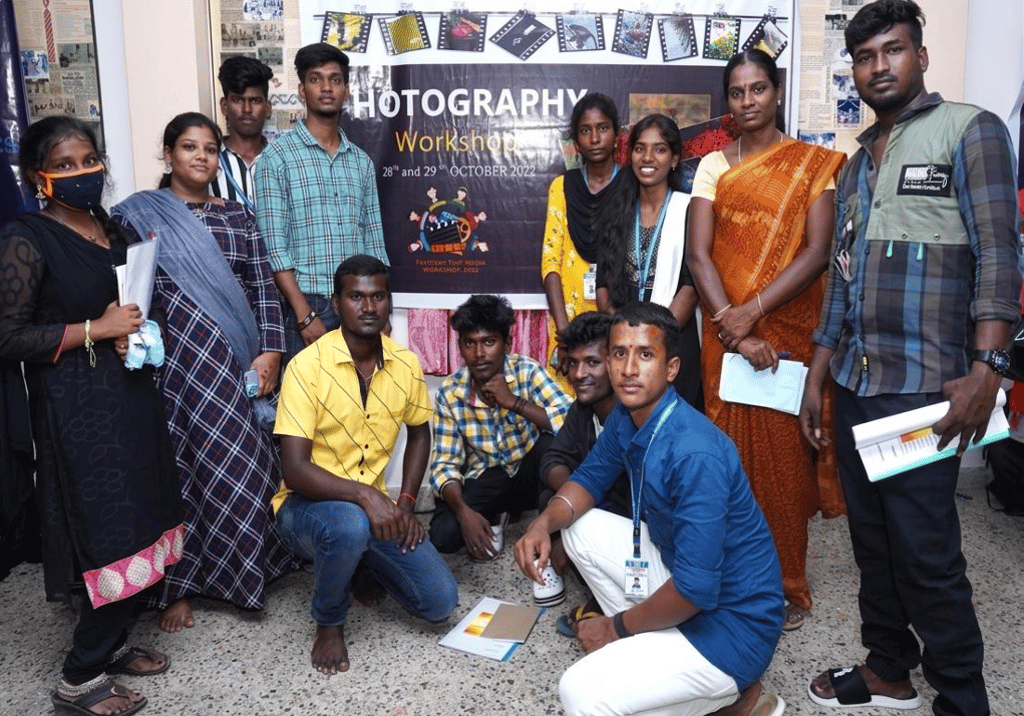
In many low-income settlements, communities face daily struggles—poor infrastructure, sanitation issues, lack of access to essential services, and social injustices. However, these challenges often go unnoticed by policymakers and the wider public. Key Foundation recognized the need for a platform that allows these communities to highlight their realities. To bridge this gap, the Foundation launched an initiative to train young volunteers (aged 16 to 35) in photography, video documentation, and digital storytelling—transforming them into community reporters who can document and amplify local voices.
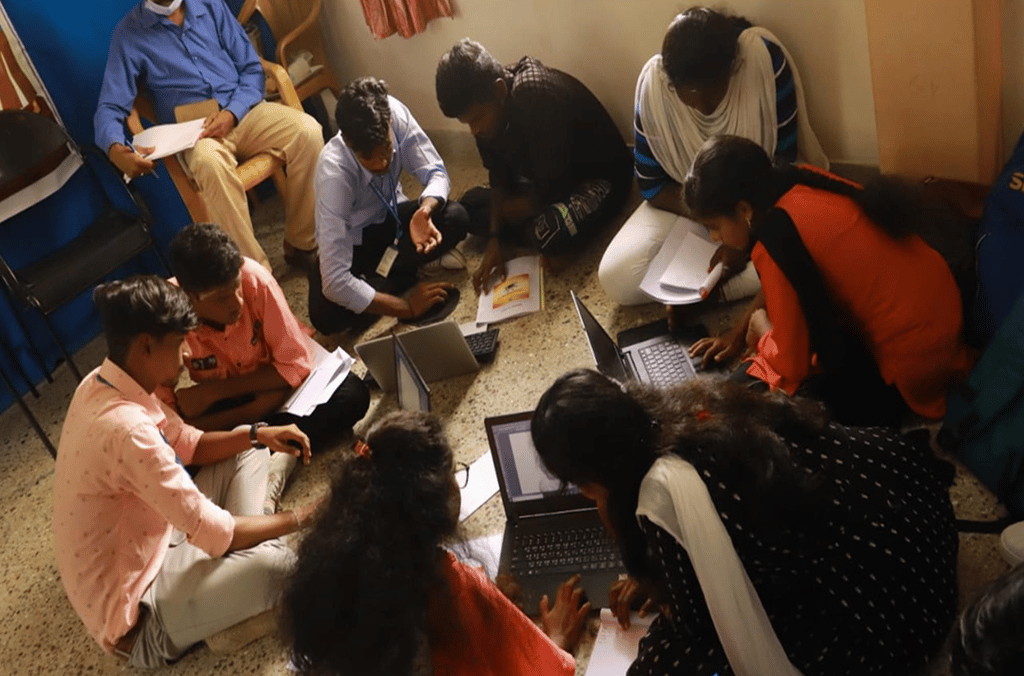
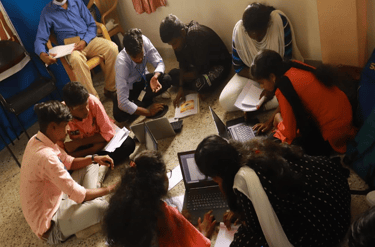
The program provided a structured series of training sessions conducted both online and offline. Youth from these settlements were equipped with practical skills in capturing impactful images, filming and editing videos using smartphones, and crafting compelling narratives. Many participants had never used digital tools for storytelling before, but with proper guidance, they quickly adapted. The training also covered ethical reporting, responsible content creation, and fact-checking, ensuring that the stories they share are authentic, accurate, and respectful of the people they represent.
Beyond technical skills, the initiative instilled a sense of purpose and empowerment among the participants. Through mentorship, they learned how to identify pressing community issues, interview local residents, and compile reports that highlight the realities of their neighborhoods. By showcasing their work on social media platforms, community networks, and local advocacy groups, these young reporters have begun drawing attention to key issues—prompting authorities and organizations to take action. Some have already started documenting problems like water shortages, waste management failures, and the lack of education facilities in their areas, leading to local discussions and even intervention efforts.
This initiative does more than just train young individuals—it builds a generation of changemakers. By giving them the tools to tell their own stories, Key Foundation is fostering a culture of awareness, activism, and civic engagement. Many of these youth, who once felt unheard, now realize the power of their voices. Their stories serve as a bridge between their communities and decision-makers, ensuring that the concerns of marginalized groups are no longer overlooked.
The impact of this initiative goes beyond individual skill-building; it is a step toward greater social accountability and inclusive development. As these youth continue to document and share their experiences, they are not only amplifying their struggles but also celebrating the resilience, creativity, and aspirations of their communities. With time, this effort has the potential to reshape narratives, influence policies, and bring meaningful change to the lives of many.
Creating Smiles Entrepreneurship Promotion,
Entitlement Facilitation,
Environment Protection, Equity & Inclusion
Quick links
Address
5/240, Sathi Nagar, Vinayagapuram, Adavathur (East),
Tiruchirappalli – 620102,
Tamil Nadu.
Bank Details